For business owners, understanding how e-wallets work matters because they now shape how customers expect to pay, and because the type of e-wallet account a business uses affects its security, credibility and access to sales data. Learn what e-wallets are, how they work, the difference between personal and business accounts, and the security considerations merchants should weigh before accepting them.
What is an e-wallet?
An e-wallet is a digital application, or online service that securely stores your card details, and allows you to make electronic payments for goods and services using a smartphone or other connected device instead of cash or a physical card.
Also known as a mobile wallet, it sits within the broader category of electronic payments, which covers any payment made through an electronic channel, including credit and debit cards, online banking transfers, and stored-value cards such as Octopus.
How e-wallets work in Hong Kong
E-wallets serve two separate functions: paying at checkout, and peer-to-peer (P2P) transfers — sending money directly between individuals. Both use the same underlying wallets, but they work differently, and that difference matters when you're deciding how to accept customer payments as a merchant.
How e-wallets in Hong Kong hold and move money
E-wallets don't split cleanly into categories. Instead, every e-wallet transaction runs on one of two underlying mechanisms: stored value or pass-through card payment.
Some e-wallets only support one mechanism, while others like Alipay HK and WeChat Pay HK, let the customer pick between stored value or pass-through card payment at checkout.
- Stored value: The customer pre-loads funds into a balance held within the wallet, then draws down from that balance to pay. Octopus works almost entirely this way. This is the activity the HKMA regulates specifically as a stored value facility (SVF).
- Pass-through card payment: The wallet holds no balance and instead charges a linked credit or debit card directly for each transaction, similar to how Apple Pay tokenises a card.
- Hybrid: The e-wallet supports both mechanisms, and the customer chooses which one to use at checkout. AlipayHK and WeChat Pay HK work this way. A customer can pay from their stored balance, or bypass it entirely and charge a linked credit or debit card directly for that transaction. The two mechanisms sit side by side in the same app rather than one replacing the other.
P2P e-wallet payments and why some merchants use them
P2P e-wallet payments let users transfer money directly to another user's personal wallet, without either party needing a registered business account.
In Hong Kong, this feature is commonly used in:
- Social settings: Splitting a dinner bill, repaying friends for money owed.
- Small-scale business transactions: Independent merchants, sole traders, market stallholders and small online sellers use it to collect customer payments instead of setting up a formal business account.
The appeal is straightforward. A personal e-wallet account is usually free to open, requires only an ID and phone number, and can start receiving payments immediately. For a very small or informal operation, this can feel like the fastest way to get paid.
However, this convenience comes with trade-offs that matter more as a business grows:
- No transaction reporting: Personal accounts do not generate the sales reports, reconciliation tools or transaction exports that a business needs for bookkeeping or tax filing.
- Mixed finances: Business income sits in the same wallet and bank account as personal funds, which makes it harder to track cash flow or separate spending.
- Account restrictions: E-wallet providers generally design personal accounts for individual spending and transfers between friends, not for receiving payment for goods or services. Providers can restrict or suspend accounts they identify as being used commercially.
- Weaker dispute support: Personal accounts typically do not cover merchant protection, such as dedicated dispute resolution or chargeback handling, that come with a registered business account.
- No business credibility signal: Customers cannot verify they are paying a registered business, which can affect trust, particularly for online transactions or higher-value purchases.
For businesses that expect to grow, accept online payments, or need clean financial records, a business account addresses these gaps.
Business e-wallet accounts: why they matter for security and credibility
A business e-wallet account, sometimes called a merchant account, is a version of the same wallet built specifically to receive customer payments as a registered company or sole proprietorship. Opening one typically requires business registration documents and a corporate bank account, rather than just a personal ID.
Business accounts typically also come with:
- Dedicated merchant QR codes and settlement: Funds settle to a verified corporate account rather than a personal one, creating a clear audit trail.
- Bank-level security controls: Encryption, multi-factor authentication and transaction monitoring designed for higher payment volumes and business-specific fraud patterns.
- Compliance with card industry standards: Where a business account processes card-linked transactions, it operates within the Payment Card Industry Data Security Standard (PCI DSS), a global standard that sets baseline technical and operational requirements for protecting payment account data. PCI DSS applies to merchants, processors, acquirers, issuers and other service providers that store, process or transmit cardholder data.
- Reporting and reconciliation tools: Sales data, settlement reports and transaction exports that support accounting and tax compliance.
- Business credibility: A registered merchant account signals to customers that they are transacting with a verified business, which can matter for online transactions or repeat customers.
Major e-wallets in Hong Kong
Several e-wallets are widely accepted by merchants and consumers in Hong Kong, spanning both stored-value and non-stored-value formats.
The right mix for a business depends on its customer base. A business serving Mainland Chinese visitors may prioritise Alipay HK and WeChat Pay HK, while one focused on local, card-holding customers may see more use from Apple Pay, Google Pay and Octopus.
Choosing the right e-wallet setup for your business
The right e-wallet setup for your business depends on:
- Transaction volume
- Customer base
A sole trader taking occasional payments may start with P2P transfers, but any business processing regular sales benefits from a proper business account, both for the security controls it carries and for the sales data it generates. Offering multiple e-wallet payment options in Hong Kong also means managing multiple integrations, unless the payment provider can consolidate several e-wallets through a single payment terminal.
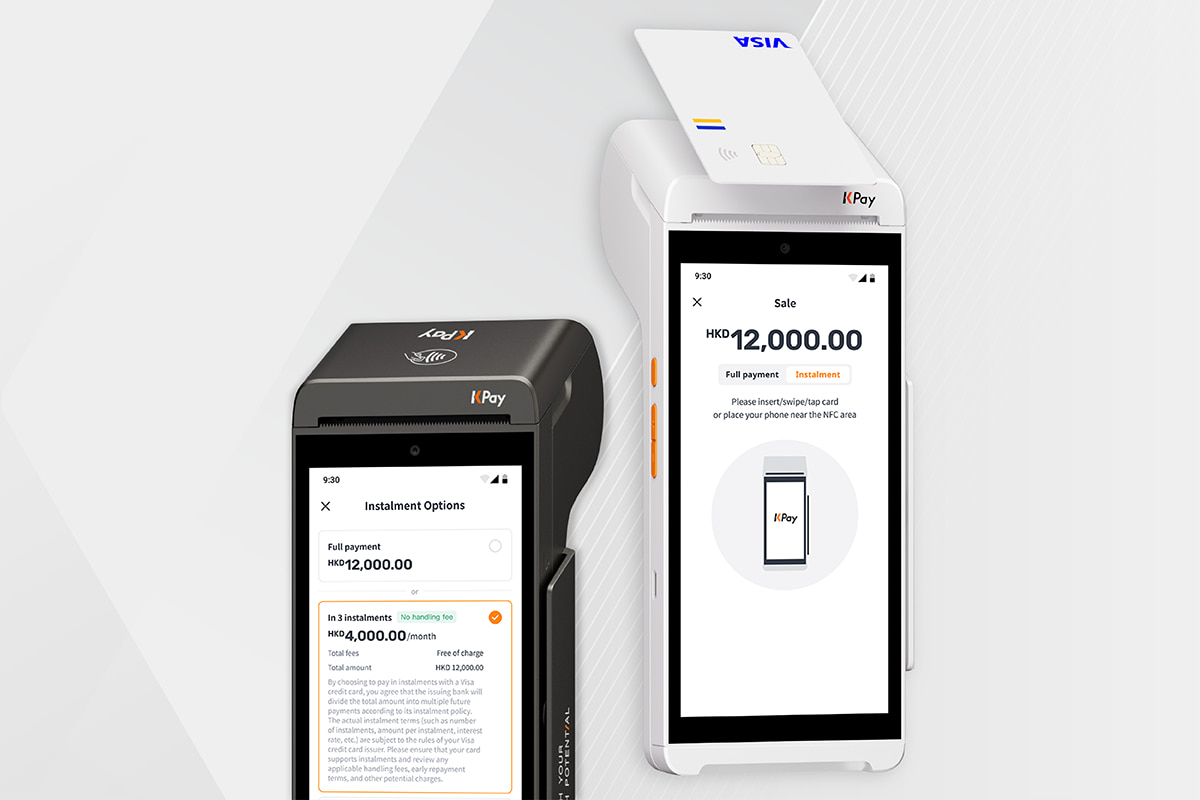
Accept more e-wallet payment options with KPay Terminal Pro
- Accepts 20 major payment methods seamlessly on one portable device.
- No subscription fees, annual fees or terminal rental fees.
- 24/7, 365-day customer support to ensure merchants get up and running quickly should any issues occur.
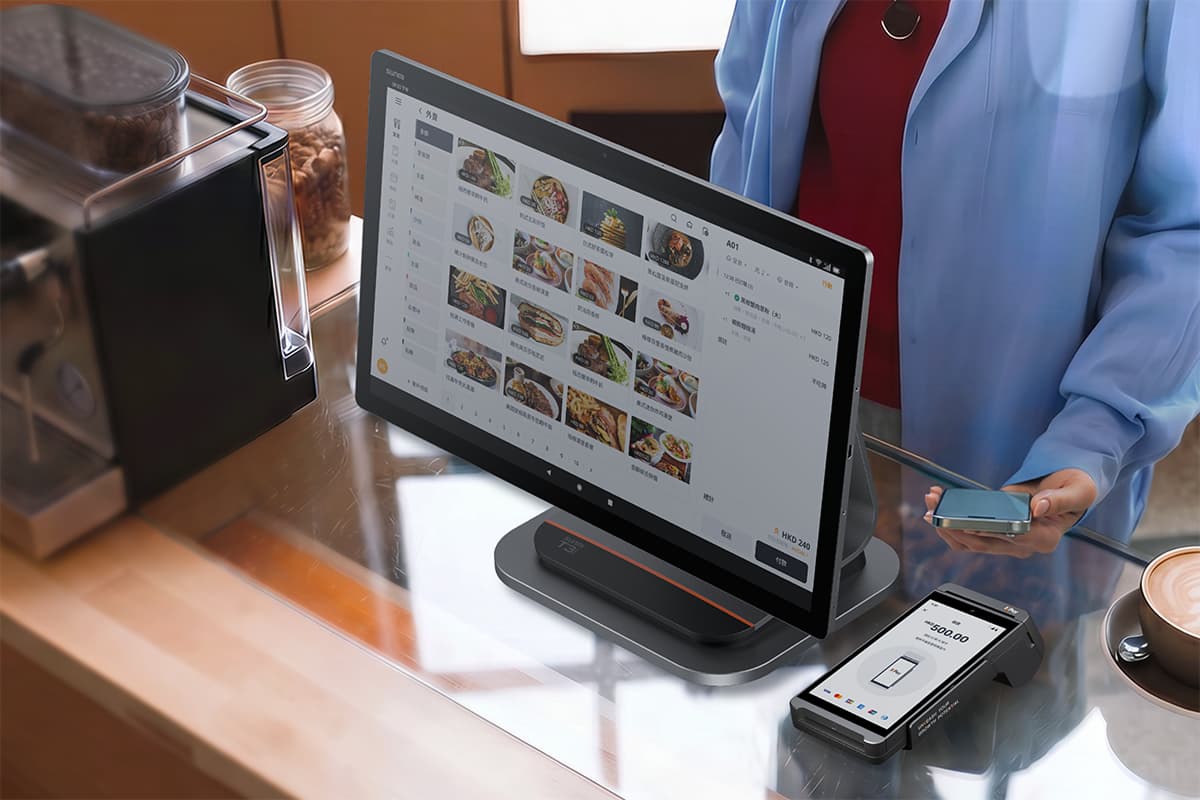
With KPay Terminal Pro, you can reduce counter clutter and accept multiple payment methods, letting you focus on other important aspects of the business.














%20(4).png)



.png)




.jpg)